
"Volcafe China"
31 article(s) found

There is a serious shortage of coffee beans in the world, and overseas buyers have set their sights on the price of coffee beans in Yunnan, a Chinese producing area.
Great wisdom Asdak news agency, October 29, due to the world's largest coffee producer Brazil suffered a persistent drought, coffee bean production has dropped sharply, international buyers have set their sights on the Chinese market.
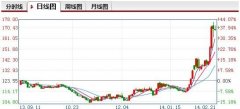
Drought in Brazil-Global Coffee Futures prices soar by 53%
Friends who like coffee may have to care about the price of coffee! The severe drought in Brazil has triggered a global coffee shortage, and the price of the American coffee March futures contract has soared by about 53% so far this year.

Coffee bean production drops sharply, China becomes a new source of Starbucks, Brazilian coffee beans Starbucks
It is reported that coffee production has plummeted due to weather and disease in Brazil, a coffee-producing country. Starbucks, the world's largest coffee chain, has turned its attention to China.

Coffee bean production drops sharply, China becomes a new source of Starbucks
Coffee production in Brazil, a coffee producer, has plummeted due to weather, disease and other damage, according to Business Insider. Starbucks, the world's largest coffee chain, has turned its attention to China.

2017 fresh fruit price of Yunnan coffee purchase price
2017 Yunnan Coffee fresh Fruit Price since the late 1980s, Nestl has been involved in the Chinese coffee industry, investing in the industry with the Chinese government and the United Nations Development Programme (United Nations Development Programme). After that, Starbucks set up a processing plant and a farmer support center in China.
China's coffee market is valued. The public says to grow coffee in China.
Traditionally, China is famous for producing fragrant tea. Today, China is increasingly becoming an important producer of Arabica coffee beans (arabica), a very different drink in Asia. This kind of coffee bean is famous for its light shape and fragrant fruit aroma. International commodity traders and bakers say Ala is from the southwestern province of Yunnan.
Kenyan Kenya AA Coffee Kenyan Coffee beans mocha Coffee
This classification method is based on a variety of perforated screen classification, the screen has a variety of specifications, identified by the number, the number is associated with the mesh. The size of the mesh-1 stroke 64 inches is the unit of calculation. If the diameter of the mesh is 18 stroke 64 inches, the number of the screen is 18; if the diameter of the mesh is 17 inch 64 inches, the number of the screen is 17. And so on, there are 19, 16, 15, 1

Introduction to the characteristics of coffee flavor and taste in lemon manor with long-lasting sweetness
China Coffee Network Manor name: El Limoncillo (Lemon Tree Manor) production area: Matagalpa (Mattapa) Town: Yasica Norte Manor was founded in 1932 Maria Ligia Mierisch Manor elevation: 950m to 1300 m Coffee varieties: 10%Maragoipe, 30% Pacamara, Bourbon 25%, Caturra 20%, Java 15%

The Coffee War in Kenya
The quality of Kenyan caffeine is widely praised in the global market, known as "black gold" in the industry, but the industry has long been monopolized by Western multinationals. To this end, Kenya wants to attract Chinese and other Asian investors to the market, thus intensifying the business game.

Instant coffee encounters challenges Can new products such as capsule coffee help Nestle?
Coffee is coming home. Juerg Zaugg, Nestle SA's director of agricultural services for Greater China, holds a cup of Dolce Gusto Yunnan limited edition espresso coffee and banters with local coffee farmers at a coffee farm in the mountains of Puwen Town, Xishuangbanna Dai Autonomous Prefecture, Yunnan Province. In September this year, a limited edition of Yunnan local coffee beans

African Coffee Manor the Black Gold Story of the "Coffee War" in the Coffee Bean producing area of Kenya
The quality of Kenyan caffeine is widely praised in the global market, known as black gold in the industry, but the industry has long been monopolized by Western multinationals. To this end, Kenya wants to attract Chinese and other Asian investors to the market, thus intensifying the business game. According to a survey released by the local media, six Western companies currently control about 60% of the Kenyan market.